Agriculture depends heavily on water. Proper irrigation and efficient water management are essential for achieving higher crop yields, improving crop quality, and ensuring long-term farm sustainability. As water resources become increasingly limited due to climate change, population growth, and changing weather patterns, farmers must adopt modern irrigation practices that maximize water use efficiency while minimizing wastage.
Understanding Irrigation and Water Management
Irrigation is the artificial application of water to agricultural crops to supplement natural rainfall. Water management involves planning, controlling, and optimizing water use throughout the crop production cycle. Together, these practices ensure that crops receive the right amount of water at the right time, leading to healthy growth and improved productivity.
Effective irrigation and water management help farmers maintain consistent crop production even during periods of drought or irregular rainfall.
Importance of Efficient Water Management in Agriculture
Water is one of the most valuable resources in farming. Efficient management offers numerous benefits:
- Increased crop productivity
- Improved crop quality
- Reduced water wastage
- Lower energy consumption
- Better nutrient utilization
- Reduced soil erosion
- Enhanced drought resilience
- Improved farm profitability
By adopting modern irrigation systems, farmers can often reduce water consumption by 30% to 60% while maintaining or even increasing yields.
Common Irrigation Methods
Surface Irrigation
Surface irrigation is one of the oldest irrigation methods. Water flows over the soil surface and infiltrates into the root zone.
Types include:
- Flood irrigation
- Furrow irrigation
- Basin irrigation
Advantages:
- Low installation cost
- Simple operation
Limitations:
- High water loss through evaporation and runoff
- Uneven water distribution
Sprinkler Irrigation
Sprinkler systems distribute water through pressurized pipes and spray it over crops like rainfall.
Advantages:
- Uniform water distribution
- Suitable for various crops
- Reduces soil erosion
Applications:
- Field crops
- Vegetable cultivation
- Lawns and nurseries
Drip Irrigation
Drip irrigation delivers water directly to the plant root zone through a network of pipes and emitters.
Advantages:
- Water savings up to 70%
- Improved fertilizer efficiency
- Reduced weed growth
- Increased crop yields
Suitable for:
- Fruits
- Vegetables
- Plantation crops
- Greenhouse cultivation
Drip irrigation is considered one of the most efficient irrigation systems available today.
Modern Water Management Techniques
Soil Moisture Monitoring
Modern farms use soil moisture sensors to determine exactly when irrigation is needed.
Benefits:
- Prevents overwatering
- Saves water
- Improves root development
Automated Irrigation Systems
Automation allows irrigation systems to operate based on:
- Soil moisture levels
- Weather conditions
- Crop requirements
- Scheduled programs
This technology improves precision and reduces labor costs.
Rainwater Harvesting
Rainwater harvesting captures and stores rainfall for future agricultural use.
Benefits:
- Reduces dependency on groundwater
- Enhances water availability during dry periods
- Improves farm sustainability
Farm Ponds and Water Reservoirs
Constructing farm ponds allows farmers to store excess rainwater and irrigation water.
Advantages:
- Reliable water supply
- Groundwater recharge
- Emergency water reserve
Importance of Fertigation
Fertigation combines irrigation and fertilizer application through drip or sprinkler systems.
Benefits include:
- Precise nutrient delivery
- Reduced fertilizer wastage
- Improved nutrient uptake
- Higher crop productivity
Fertigation is widely used in commercial fruit and vegetable production systems.
Water Conservation Practices for Farmers
Farmers can adopt several conservation techniques to maximize water efficiency:
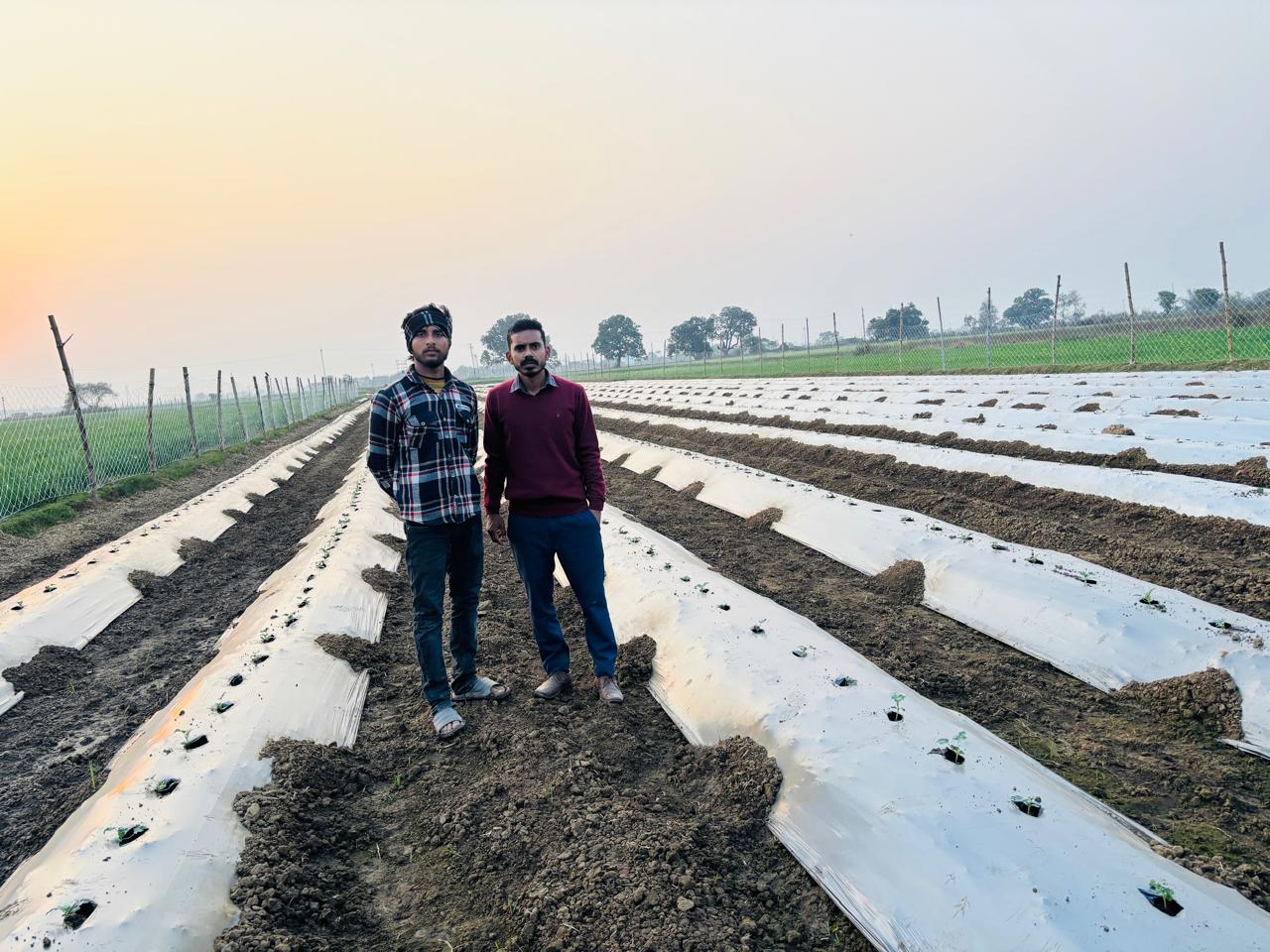
Mulching
Mulching helps:
- Reduce evaporation
- Control weeds
- Maintain soil moisture
- Improve soil health
Land Levelling
Proper land levelling ensures:
- Uniform water distribution
- Reduced runoff
- Improved irrigation efficiency
Crop Selection
Choosing crops suitable for local climatic conditions helps reduce irrigation requirements and improve resource efficiency.
Scheduling Irrigation
Applying water according to crop growth stages and actual moisture requirements prevents water wastage and improves crop performance.
Challenges in Agricultural Water Management
Farmers face several challenges:
- Groundwater depletion
- Climate variability
- Rising irrigation costs
- Poor water quality
- Inadequate infrastructure
- Uneven rainfall distribution
Addressing these challenges requires integrated water management strategies and adoption of modern technologies.
Role of Technology in Water Management
Technological advancements are transforming irrigation practices.
Examples include:
- Smart irrigation controllers
- IoT-based monitoring systems
- Remote sensing technology
- Satellite-based water assessment
- AI-driven irrigation recommendations
- Drone-assisted crop monitoring
These technologies help farmers make data-driven decisions and optimize water usage.
Sustainable Water Management for Future Agriculture
Sustainable agriculture depends on responsible water use. Farmers, agribusinesses, governments, and agricultural consultants must work together to implement efficient irrigation systems and conservation practices.
Key priorities include:
- Improving irrigation efficiency
- Promoting rainwater harvesting
- Encouraging micro-irrigation adoption
- Protecting groundwater resources
- Supporting farmer training programs
- Investing in smart agricultural technologies
Conclusion
Irrigation and water management are critical components of successful and sustainable farming. Efficient water use not only improves crop productivity and profitability but also preserves valuable natural resources for future generations. By adopting modern irrigation technologies, water conservation practices, and smart farm management strategies, farmers can build resilient agricultural systems capable of meeting the growing global demand for food while protecting the environment.
Agribist India Pvt. Ltd. provides comprehensive irrigation planning, water resource management, drip irrigation design, farm reservoir development, fertigation solutions, and sustainable agricultural consultancy services to help farmers achieve higher productivity with efficient water utilization.