When a drip irrigation system starts giving uneven water — some plants wet, others dry — the cause is almost always the same: clogged emitters. And clogged emitters almost always trace back to the same place: the head unit, and in particular the filter.
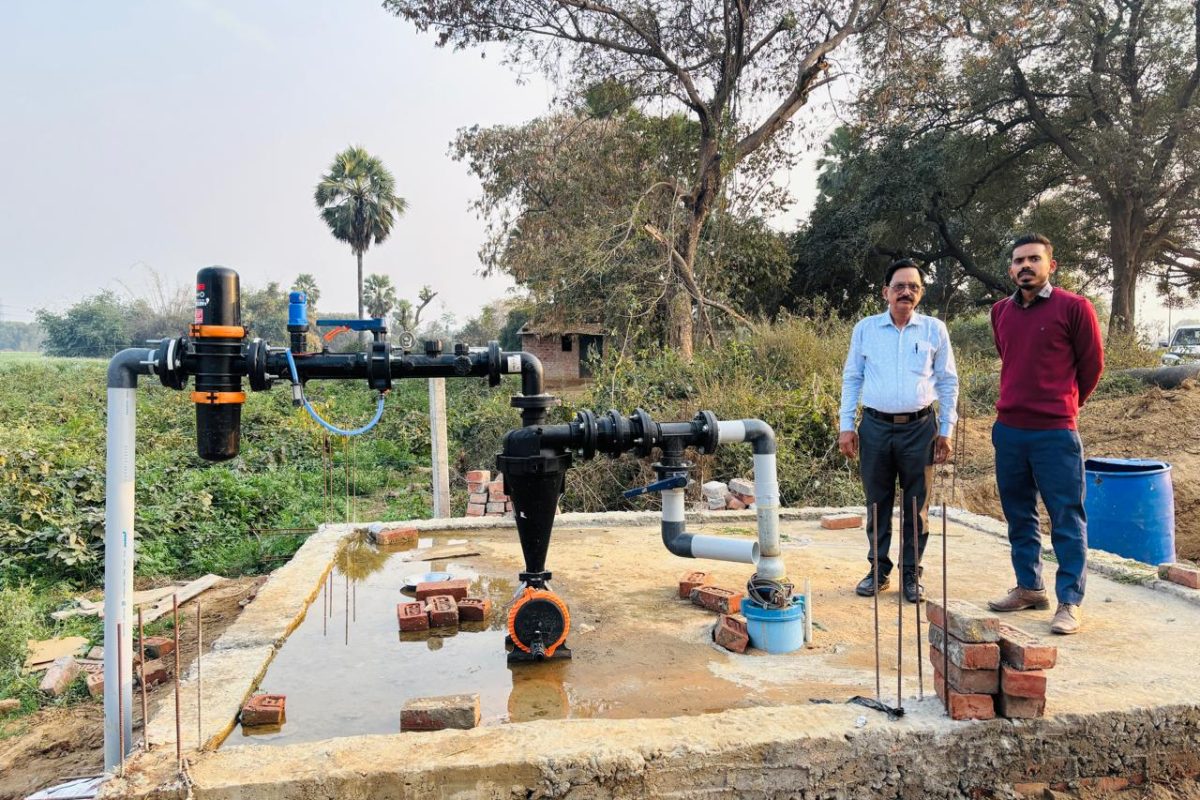
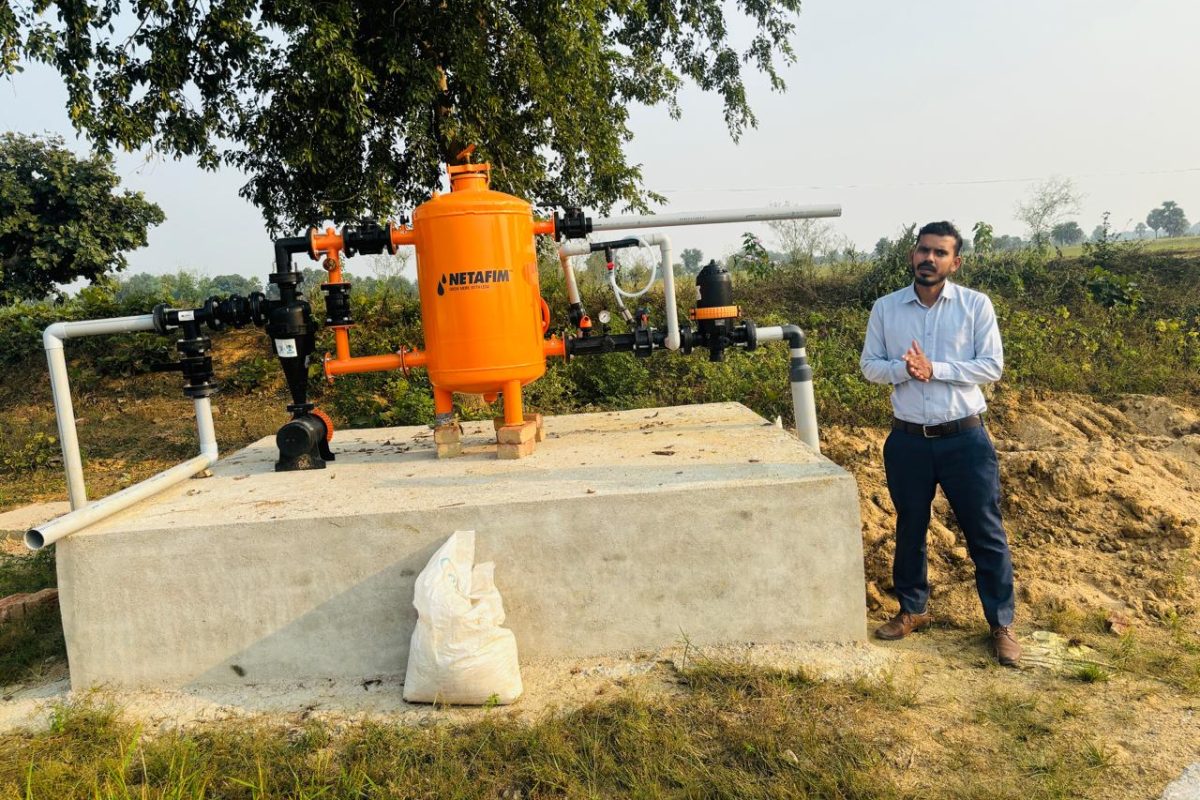
The head unit is the control centre of your drip system. It sits between your water source and the field, and typically includes the filter(s), a fertiliser injector, pressure gauges, an air release valve, a non-return valve and control valves. Get it right, and your drip system can run efficiently for many seasons. Get it wrong, and you will spend those seasons cleaning emitters.
Know your water first
The right filter depends on what is in your water. Before choosing, have your water tested or at least observe it:
- Open wells, ponds, canals and rivers usually carry algae, organic matter and fine silt.
- Bore wells usually carry sand and sometimes dissolved iron or salts that can form deposits.
- Mixed sources can carry all of the above.
The three main filter types
1. Sand (media) filters
A sand filter is a tank filled with graded silica sand. Water passes through the depth of the sand bed, which traps algae, organic matter and fine particles. Sand filters are the first choice for open water sources such as ponds, canals and open wells. They are cleaned by backwashing — reversing the flow to flush trapped dirt out of the tank.
2. Screen filters
Screen filters use a fine stainless steel or plastic mesh. They are simple, affordable and effective against sand and inorganic particles, which makes them a good choice for clean bore-well water. On their own they block quickly with algae, so they are usually used as a secondary filter after a sand filter when the water is dirty.
3. Disc filters
Disc filters use a stack of grooved plastic discs pressed together. Because water passes through many layers of grooves, they hold more dirt than a screen before they need cleaning, and they handle a mix of organic and inorganic particles well. They are a good all-round secondary filter and are easy to clean in the field.
Choosing the right combination
- Clean bore-well water: a screen or disc filter is often enough. Add a hydrocyclone (sand separator) if the bore pumps a lot of sand.
- Open well, pond or canal water: a sand filter followed by a screen or disc filter.
- Fertigation systems: always place a screen or disc filter after the fertiliser injection point, so undissolved fertiliser does not reach the emitters.
Filter size must match your system's flow rate. An undersized filter causes high pressure loss and needs constant cleaning; an oversized one adds unnecessary cost.
Keeping your head unit healthy
- Watch the pressure gauges before and after the filter. When the difference rises noticeably above normal, it is time to clean.
- Backwash sand filters regularly, and top up or replace the sand as it wears.
- Clean screens and discs with water and a soft brush; never use a wire brush on screens.
- Flush lateral ends and sub-mains periodically to remove fine silt that passes through the filter.
- If you see white or reddish deposits on emitters, ask about acid or chlorine treatment suitable for your water.
How Agribist can help
Agribist designs head units around your actual water source, flow and crop — not a one-size-fits-all kit. We supply sand, screen and disc filters, fertiliser injectors and complete head-unit assemblies, install them on site, and train you on cleaning and maintenance. Contact our team to plan a new system or to troubleshoot an existing one.