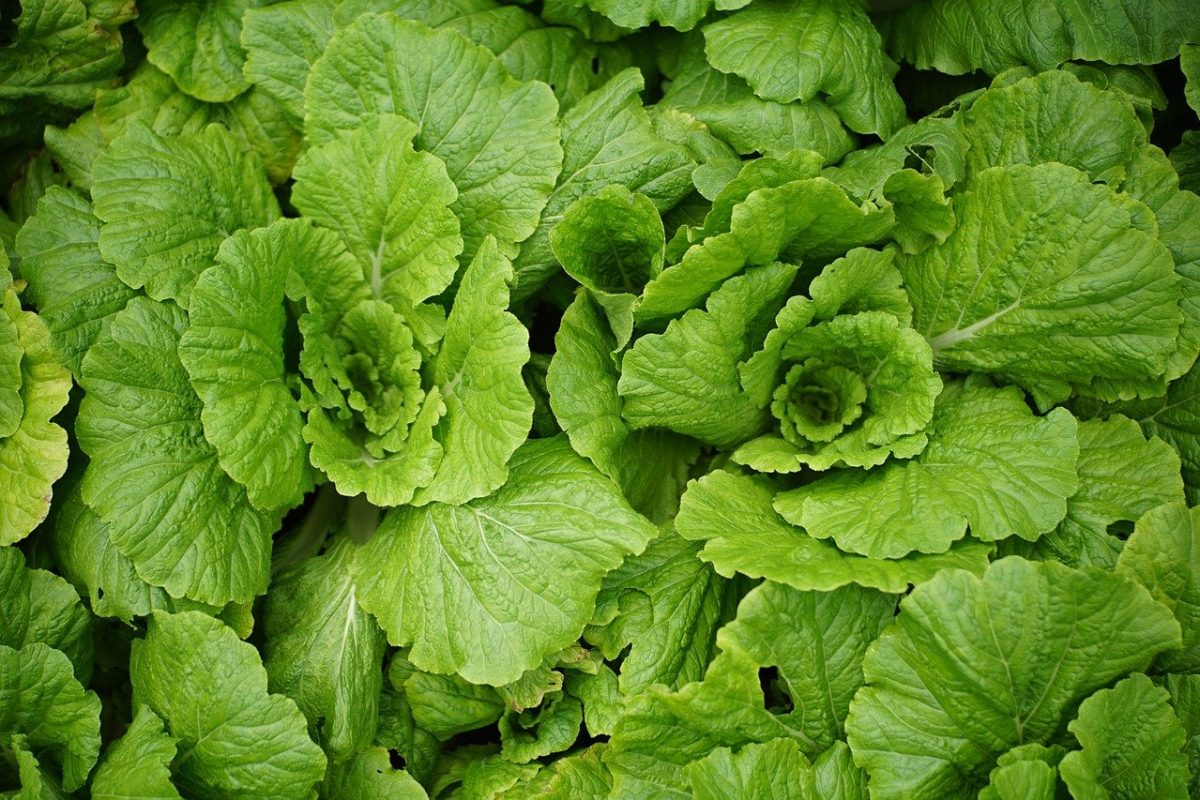
Across the fields we work on with farmers, one combination consistently delivers cleaner crops, fewer weeds and better water use: drip irrigation laid under plastic mulch. Whether you are growing strawberries, capsicum, tomato, chilli, cucumber or melons, the two technologies solve each other's weak points. Drip delivers water and nutrients exactly to the root zone; mulch keeps that moisture in the soil and keeps weeds out.
This guide walks through how to set it up properly, based on what we see working in the field.
Why drip and mulch work better together
- Less evaporation: mulch film covers the bed surface, so water applied by drip stays in the root zone instead of drying off in the sun.
- Weed control: weeds cannot get light under the film, which cuts labour and herbicide use significantly.
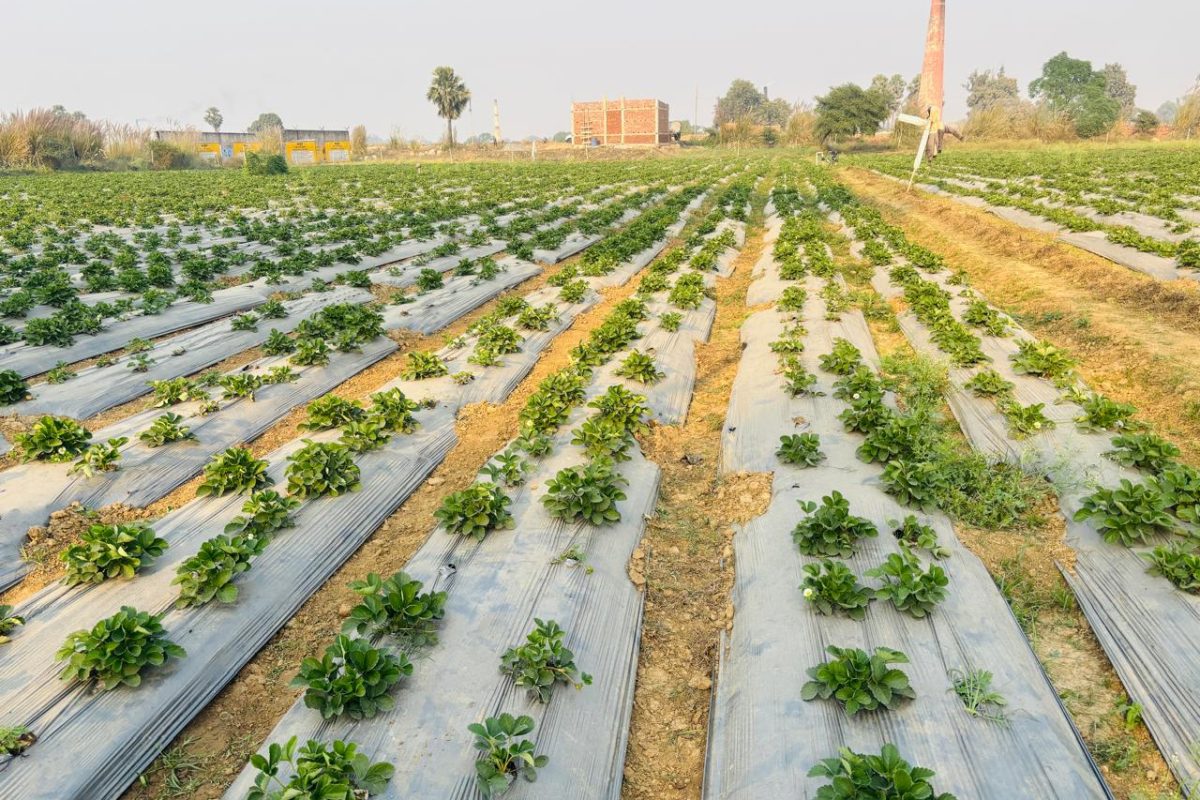
- Cleaner produce: fruit such as strawberries sits on the film instead of wet soil, reducing rot and improving market grade.
- Precise feeding: water-soluble fertilisers can be pushed through the drip system (fertigation) in small, frequent doses.
- More stable soil temperature: mulch moderates the swings between hot afternoons and cold nights, which helps root growth in winter crops.
Step 1: Prepare the field and raised beds
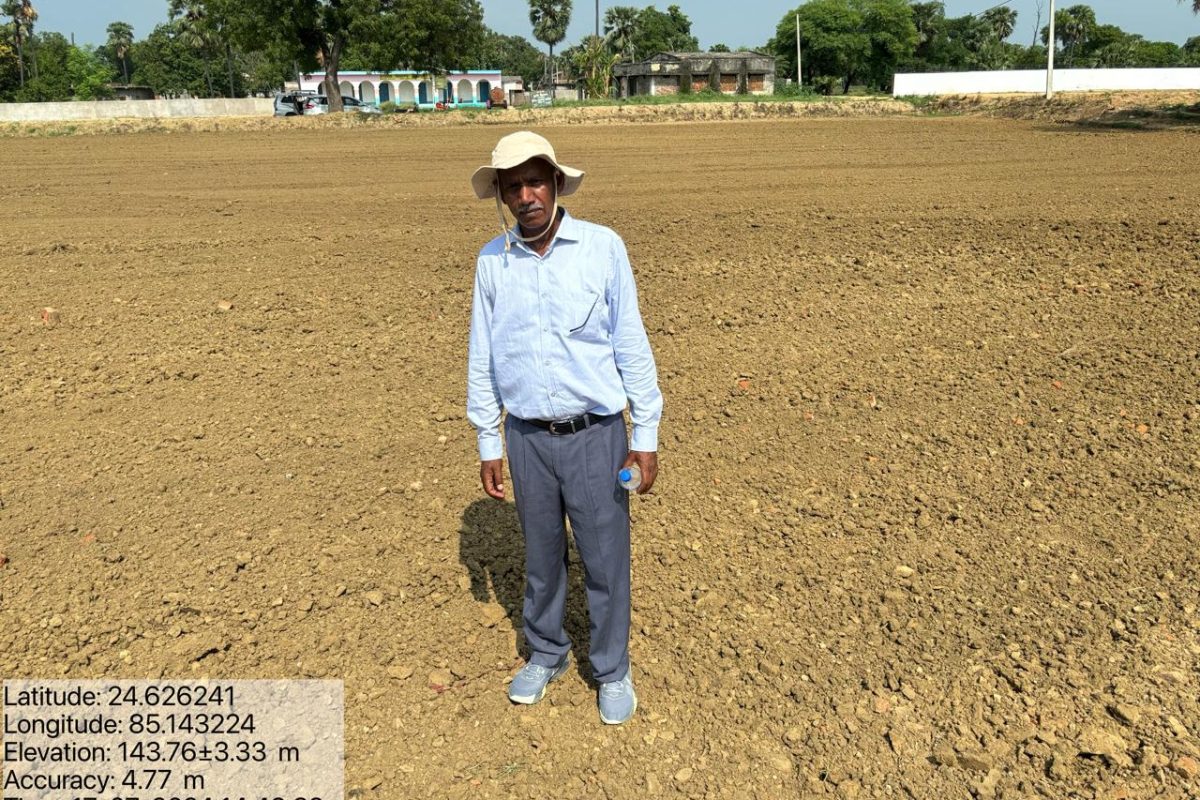
Start with a soil and water test so you know your soil texture, pH, salinity and the quality of your irrigation water. This decides your emitter spacing, filtration and fertiliser plan. Plough to a fine tilth, add well-decomposed organic manure, and form raised beds — typically 90–120 cm wide at the top with 30–45 cm walking paths, depending on the crop. Beds should be smooth and firm so the film sits tight without air pockets.
Step 2: Lay the drip lines before the mulch
Place one or two inline drip laterals on each bed, depending on bed width and crop. Emitter spacing of 20–40 cm and a flow of 1–2 litres per hour suit most vegetable and strawberry crops, but the right choice depends on your soil: lighter, sandy soils need closer spacing; heavier soils spread water sideways and allow wider spacing. Run the system once before laying the mulch to check for leaks and uniform wetting.
Step 3: Choose and lay the mulch film
For most field crops, a 25–30 micron silver-on-black film works well: the silver side faces up to reflect light and discourage some sucking pests, while the black side underneath blocks weeds. Stretch the film tightly over the bed, bury the edges in soil on both sides, and then punch planting holes at the spacing you want — for strawberries this is commonly a zig-zag pattern with two or three rows per bed.
Step 4: Plan your irrigation and fertigation schedule
Under mulch, the soil stays moist much longer, so it is easy to over-irrigate. Short, frequent irrigations are better than long, infrequent ones. Check soil moisture under the film near the plants before every irrigation for the first few weeks until you understand how your field behaves.
Fertigation should follow the crop stage — more nitrogen during vegetative growth, more potassium and calcium during flowering and fruiting. A simple venturi injector or fertiliser tank on the head unit is enough to start with.
Common mistakes to avoid
- Skipping filtration: drip emitters clog quickly without a proper sand or screen/disc filter, especially with bore-well or canal water.
- Loose mulch film: film that flaps in the wind tears early and lets weeds grow underneath.
- Over-watering: waterlogged beds under mulch lead to root rot. Irrigate by soil moisture, not by habit.
- Ignoring flushing: flush the lateral ends regularly to remove silt and fertiliser residue.
How Agribist can help
Agribist supports farmers from start to finish: soil and water testing, crop planning, drip and mulch system design, supply and installation, and on-field technical support through the season. If you are planning to grow strawberries, vegetables or any high-value crop with drip and mulch, talk to our team for a site visit and a system designed for your field.