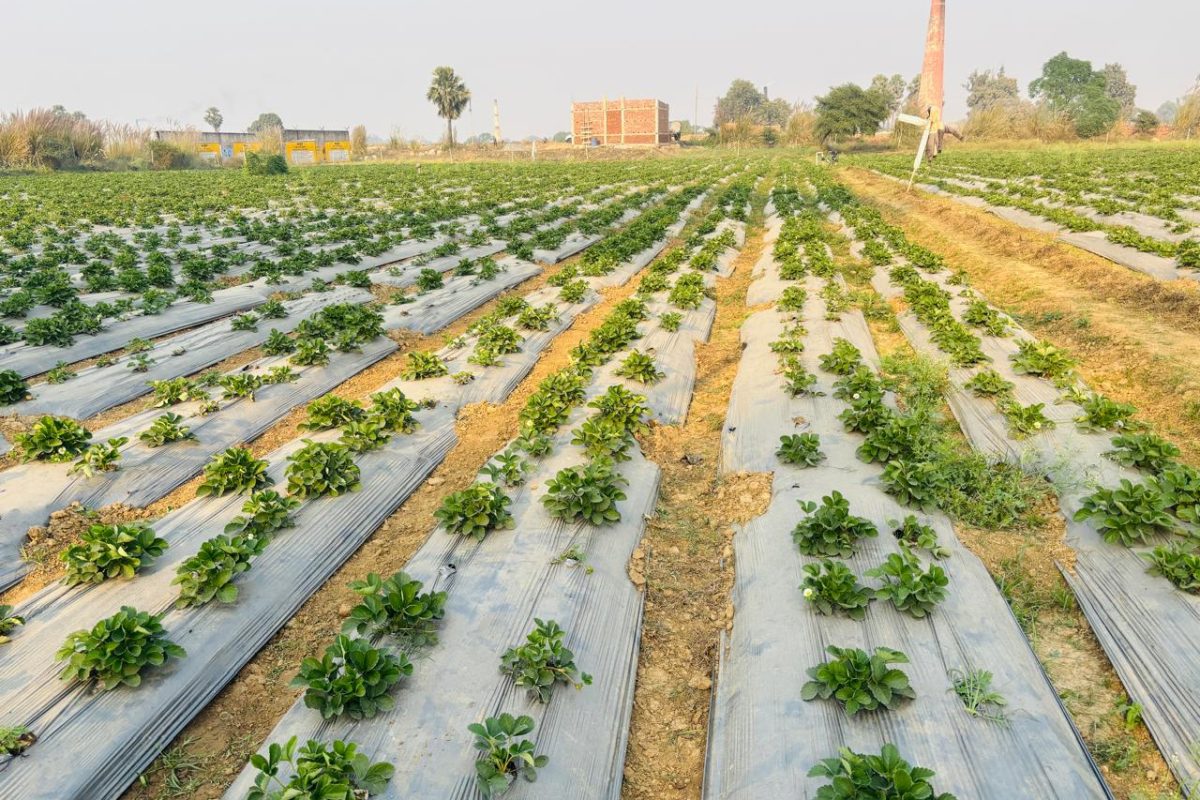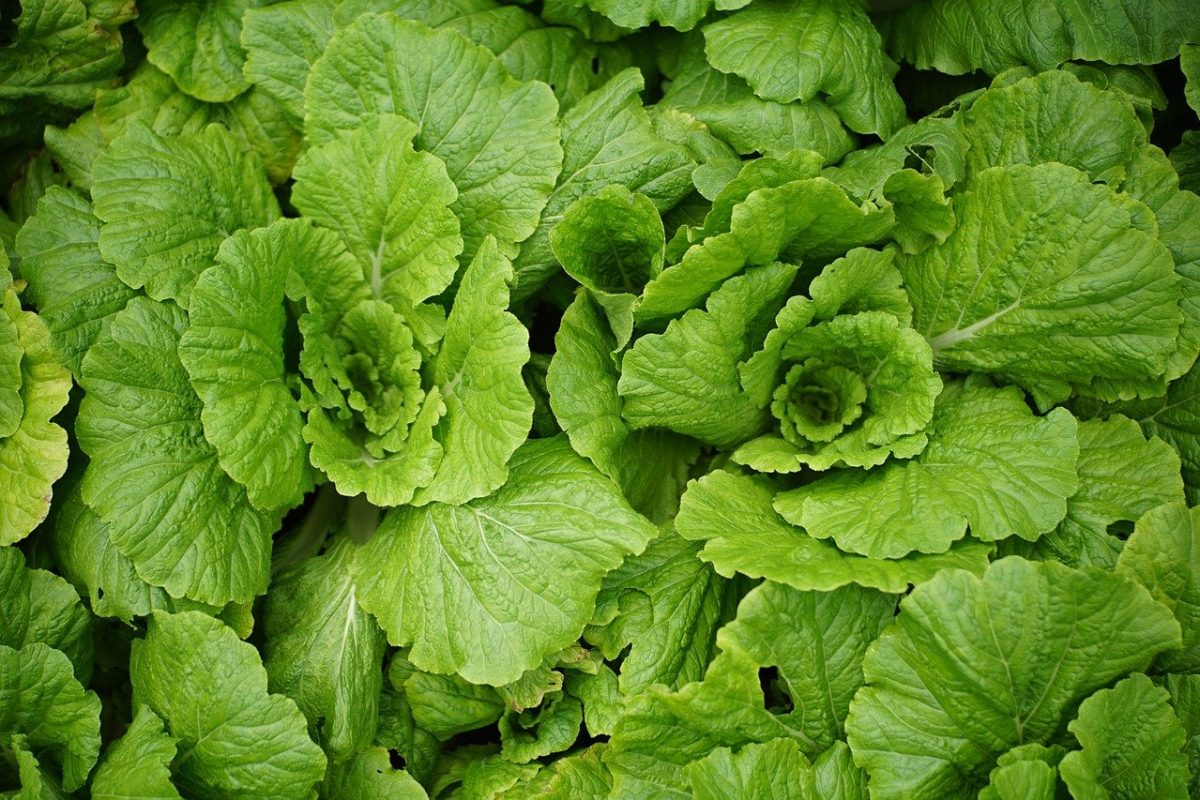
Many farming decisions in India are still made by habit — the same crop, the same fertiliser dose, the same irrigation as last year or as the neighbouring field. But no two fields are exactly alike. Soil texture, pH, organic carbon, nutrient levels and water quality can vary a lot even within the same village, and these differences decide which crop will be profitable on your land.
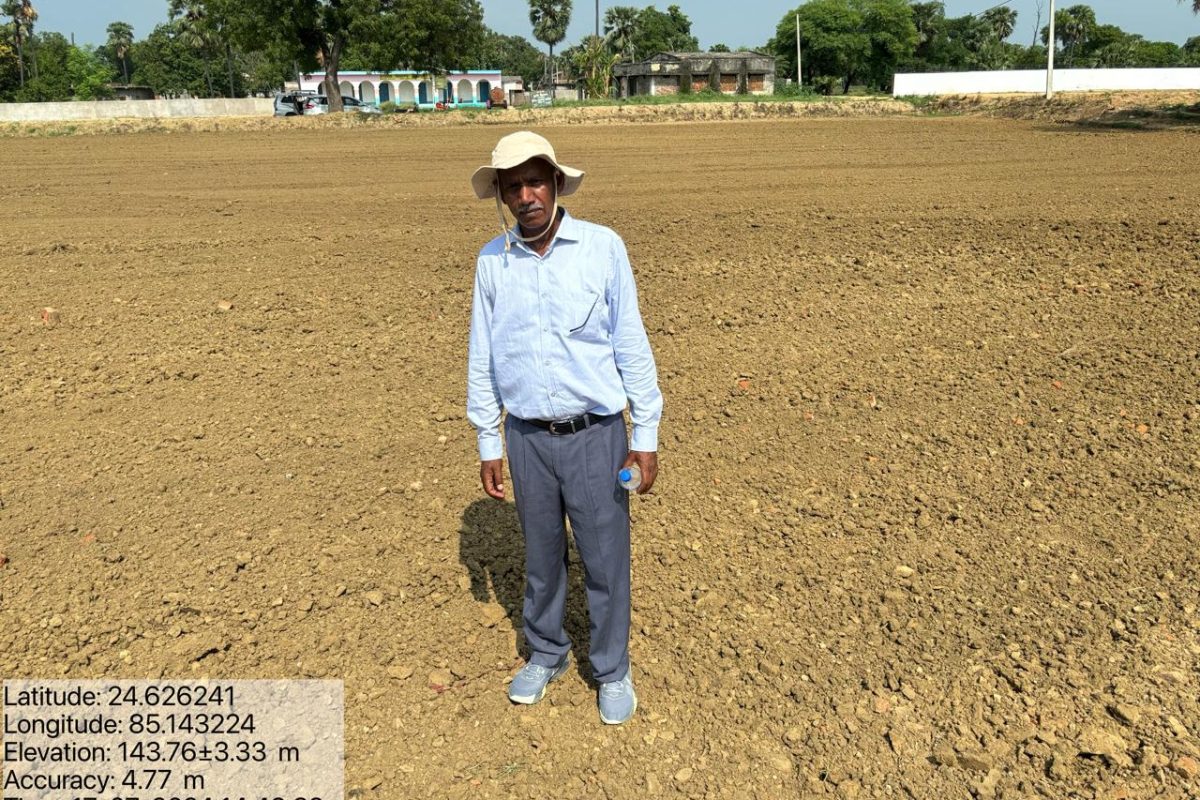
That is why, at Agribist, every farm project starts the same way: with a field visit and a soil and water test.
What a soil test tells you
- Soil texture (sandy, loamy, clayey) — decides how fast water drains and how drip emitters should be spaced.
- pH — affects how available nutrients are to the crop. Very acidic or alkaline soils may need correction before planting.
- Electrical conductivity (EC) — indicates salinity, which can limit the choice of crops.
- Organic carbon — a key indicator of soil health and biological activity.
- Major nutrients (N, P, K) and, where needed, secondary and micronutrients such as sulphur, zinc, boron and iron.
Why the water test matters just as much
Irrigation water carries its own salts and minerals. Water with high salinity, high bicarbonates or high iron can damage sensitive crops, form deposits in drip emitters and slowly degrade the soil. Knowing your water quality helps decide the crop, the type of filtration your irrigation system needs, and whether any water treatment is required.
How to collect a good soil sample
- Divide your land into sections that look and behave differently (colour, slope, past crop).
- In each section, collect soil from 8–10 spots in a zig-zag pattern, avoiding field borders, bunds, manure heaps and tree shade.
- Clear surface litter, dig a V-shaped pit to about 15–20 cm (deeper for orchards), and take a slice from the side of the pit.
- Mix the samples from one section well, take about half a kilogram, dry it in the shade, and label it clearly with your name, plot and date.
Sample before applying fertiliser or manure, so the results reflect the true condition of the soil.
From test report to crop plan
A soil report on its own is just numbers. Its value comes from turning those numbers into decisions:
- Which crops suit your soil, water and local market.
- How much fertiliser to apply and when, so you are not paying for nutrients the soil already has.
- What soil amendments such as organic manure, gypsum or lime are needed.
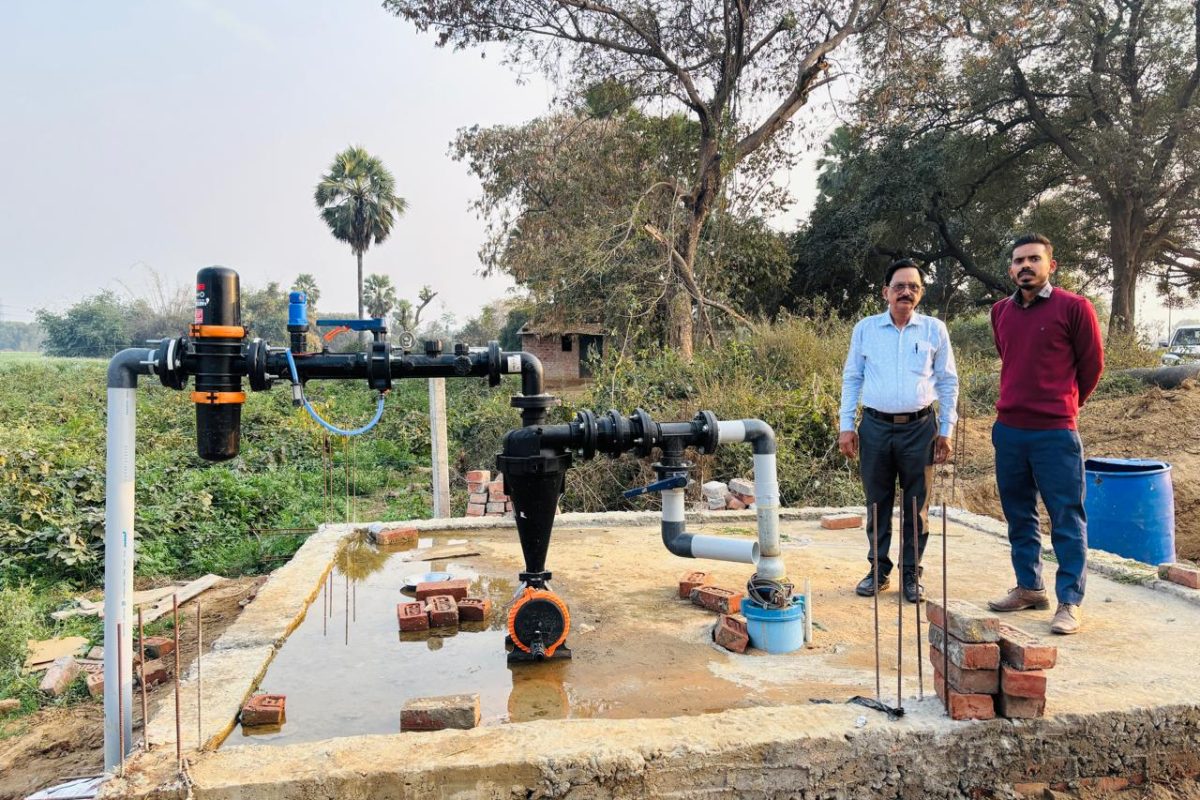
- What irrigation system and layout will use your water most efficiently.
SoilSense by Agribist
SoilSense is Agribist's soil and water analysis service. Our team visits your field, collects samples properly, gets them analysed, and — most importantly — sits with you to turn the results into a practical crop, nutrition and irrigation plan. It is the first step of our end-to-end support, which continues through crop planning, irrigation design and installation, crop nutrition and protection, and market linkage.
Planning your next season? Book a SoilSense field visit and start with data, not guesswork.